COL Christopher S. Baril, RES ‘14, is working the COVID-19 Response as Joint Task Force-Arizona (TF-AZ) Chief of Staff, Arizona National Guard.
COL Christopher S. Baril, RES ‘14, is working the COVID-19 Response as Joint Task Force-Arizona (TF-AZ) Chief of Staff, Arizona National Guard.
I retired in 2017 from the Iowa National Guard as a Brigadier General. I am now a superintendent of a school district in Western Illinois. Our lives have changed completely in the school district. We are making and delivering about 2500 meals every day to 27 locations in our community. We have also built a plan to remotely teach our 6700 students from the ground up. We are communicating as best we can remotely through all resources including social media.
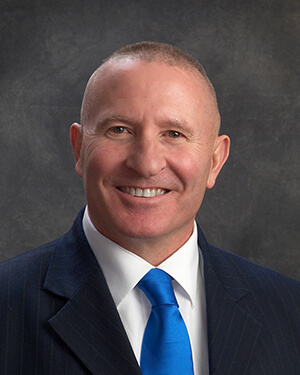
BG (Ret) Roy S. Webb
Distance Class of 2005
Quincy Public Schools
Quincy, Illinois
I am working COVID-19 in my civilian capacity as state director for United States Senator Pat Toomey. We are coordinating with and assisting Pennsylvanians with getting relief under recently passed federal laws.
BG (PA, Ret) Robert ‘Bob’ J. DeSousa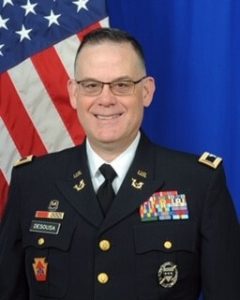
Resident Class of 2014
I am the County Manager for Summit County, Utah, home of our three largest and most visited ski areas in Utah and the largest tourism area in Utah and part of the financial lifeblood of our County and State. We effectively shut down our economy by emergency orders by me and the Public Health Director three weeks ago and it is questionable about how we will climb out of it in a three-phased plan of urgent, stabilization, and recovery. We are leading our community through this emergency and eventual recovery using all aspects of local power — Diplomatic, Information, Military (well not really except that I am still the Land Component Commander of the Utah Army National Guard) and Economy.
BG Thomas C. ‘Tom’ Fisher
Resident Class of 2012
Utah Army National Guard
Park City, Utah
Phil Fisher, DDE ’03
I am the Mayor of Clinton, MS, a City of 26,000 people (13th largest in the state) and located in Hinds County. Hinds County has the highest reported cases of coronavirus in MS. Three weeks ahead of our governor’s order to “shelter in place,” I began my own “shelter in place” policy by closing all City parks, canceling all meetings at public facilities, allowing curb-side restaurant service only, and discouraging any gathering of more than 10 people. I sent City employees in the most threatened brackets and office employees home, making use of computer technology to continue their work. While police and fire continued their shifts, I sent the detectives and trainers home to serve as a reserve — if needed due to illness. I cut public works to a skeleton crew, working on infrastructure (water/sewer/potholes) only. The result has been a lower level of Coronavirus than comparable cities in the state. After the health of the citizens, my next concern was the economy of the City. We have a large population of educators, and government employees and their paychecks would continue even if sent home. So my focus was on the business community and the private sector employees. Small business employers did not understand the new federal government’s assistance programs and the state unemployment office was overwhelmed. Of interest, the state unemployment office increased their phone lines from 250 to 900 and, at 15-20 minutes per call, were still unable to process all the calls. We began a web campaign to inform the public as the crisis progressed and hosted “live streams” to inform people with detailed information on topics other than “shelter in place”. These streams were posted on the City web page for future viewing. The first was for small businesses and the process to sign up for the various programs including the paying of employees. To date, 38,000 viewers have watched that stream. The second involved the Speaker of the MS House (topic–unemployment/other state agencies), the State Epidemiologist (topic–health care update) and the Agriculture Commissioner (topic– large animal care/pets). Seven TV stations throughout MS carried the event live and posted it on their web pages. We received questions from every corner of the state. In addition, our Department of Therapeutic Recreation continues their daily exercise programs and the Director of the Train Depot has a daily craft project and/or reading for the children by guest volunteers on our website. Finally, I volunteered the City as a coronavirus testing site so that Clinton could assist in the statewide efforts to identify those infected. The USAWC influence played a tremendous role as I worked through the process at the strategic level, allowing my department heads to execute the directives and manage the operational aspects of our actions.
BG (Ret) Philip R. ‘Phil’ Fisher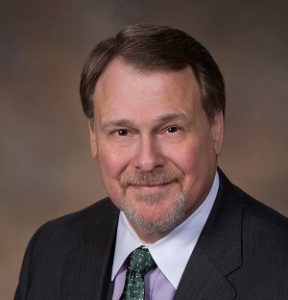
Distance Class of 2003
Seminar Group 20
Mayor, City of Clinton, Mississippi
The onset of the COVID-19 virus has had a significant impact on the operations of a state university like ours. The University of Colorado moved to remote instruction in less than a week. Additionally, we had the challenge of moving 1,400 students out of residential housing. Since many of those students were on spring break and did not return to pack out, our hard-working staff packed up those belongings and stored them. We have prepared our empty buildings to serve as alternative medical facilities. As of this writing, we are awaiting a visit from a survey team from the Corps of Engineers. Because of my background, I’ve been serving as the agency representative to the government and the Pikes Peak Regional Office of Emergency Management. It would seem all those years teaching DSCA were not wasted. We are all learning how to work from home and make full use of the various technologies that help with that process.
COL (Ret) George E. Reed, Ph.D.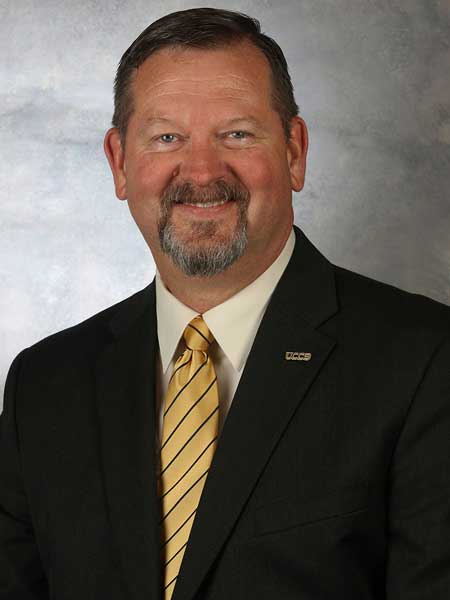
Resident Class of 1999
Dean and Professor
School of Public Affairs
University of Colorado Colorado Springs
Colorado Springs, Colorado